
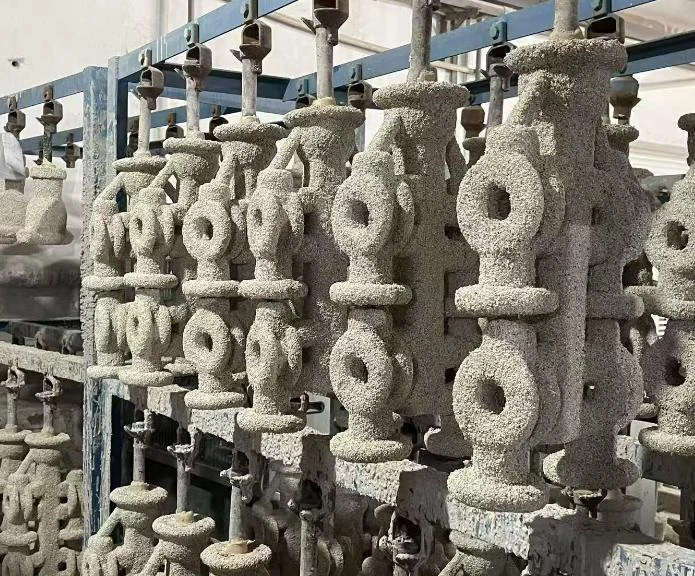
Wax patterns and shells
Wax patterns reproduce the part geometry. Layers of slurry and refractory grains form the shell, with automated shell building for volume production.
The route from wax to finished casting is selected for each part’s geometry, alloy and production volume.
Wax patterns reproduce the part geometry. Layers of slurry and refractory grains form the shell, with automated shell building for volume production.
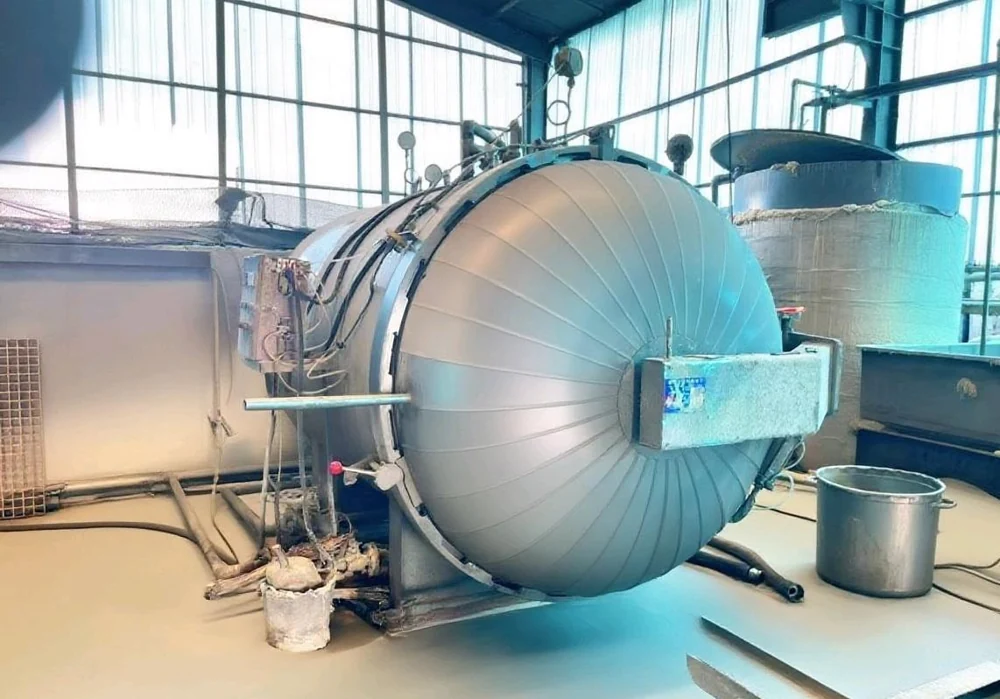
Dewaxing removes the wax. A natural gas-fired kiln then heats the ceramic shells before pouring.

Molten metal fills the fired shells. Part geometry and batch size determine whether pouring is automated or manual.

Robots remove gates and risers before grinding and shot blasting. Heat treatment, pickling or passivation follows the agreed material and drawing requirements.
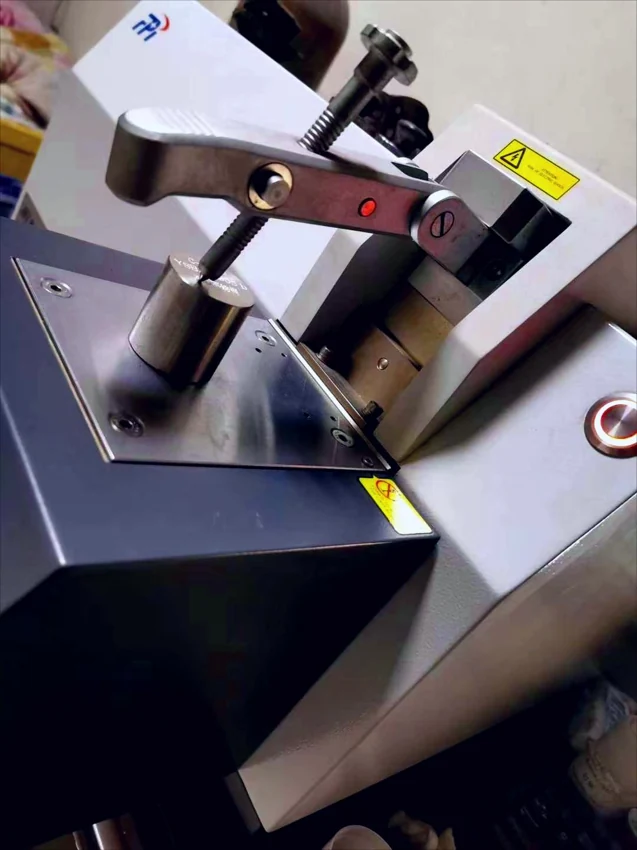
Spectrometric analysis checks alloy chemistry. Results are recorded and samples retained. Final inspection follows finishing and uses the agreed requirements.